 Neurological & Neurodegenerative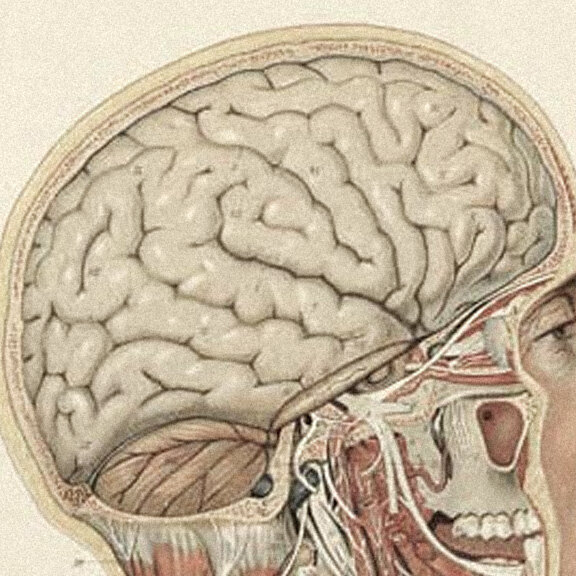
Stroke
A stroke kills brain tissue, leading to disability from lost neurons and subsequent inflammation. Delivered via cerebrospinal fluid, cell therapy calms neuroinflammation and supports tissue survival and rewiring.
Take the quiz
Cell therapy delivered directly to the central nervous system to calm neuroinflammation and support neural repair.
Neurological injury and neurodegeneration share a common engine: neuroinflammation, in which the nervous system's own immune cells stay switched on and damage neurons and their connections. Mesenchymal stem cells, also called Medicinal Signaling Cells, work against that engine, releasing signals that calm neuroinflammation and support the survival of stressed neurons. To reach the tissue under strain, SOMA delivers them intrathecally, into the cerebrospinal fluid, alongside intravenous infusion. One note runs through this category: these conditions sit at different stages of clinical evidence, and we note where each one stands.
A stroke kills brain tissue, leading to disability from lost neurons and subsequent inflammation. Delivered via cerebrospinal fluid, cell therapy calms neuroinflammation and supports tissue survival and rewiring.
Take the quiz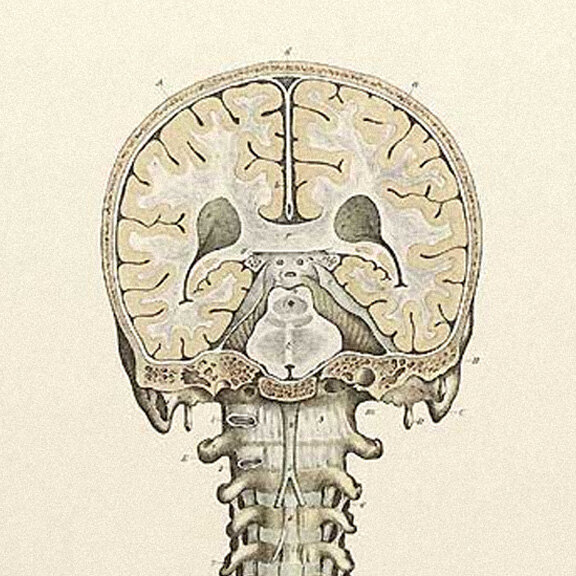
TBI triggers an inflammatory response that stalls recovery. Cell therapy targets this phase to calm neuroinflammation and support repair, with an optional nerve block for autonomic overdrive.
Take the quiz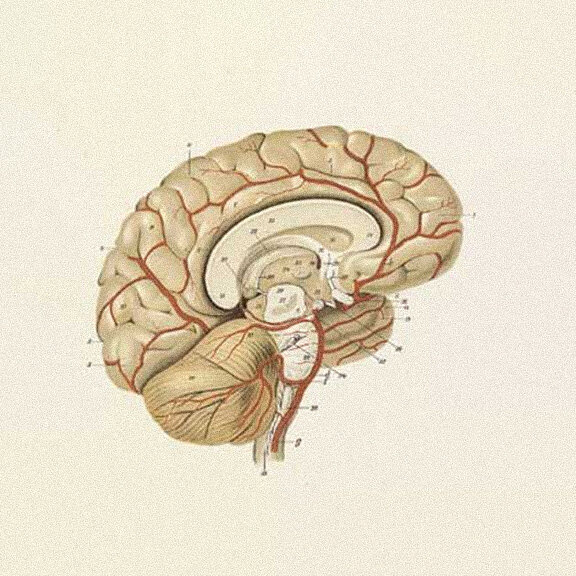
Autism cell therapy targets neuroinflammation, immune dysregulation, and gut imbalance. Delivered via tailored pediatric protocols, MSCs calm inflammation and support both sides of the gut-brain axis effectively.
Take the quiz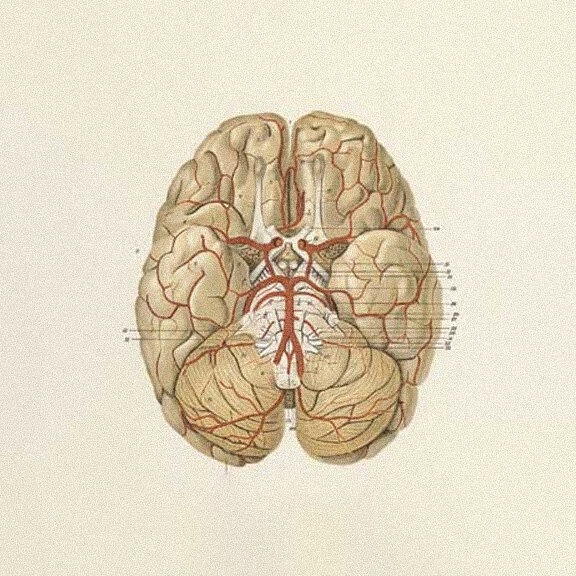
Parkinson's destroys dopamine-producing neurons, with neuroinflammation fueling the loss. Cell therapy works to protect remaining neurons, lowering the inflammatory burden and supporting their survival environment.
Take the quizAlzheimer's erodes memory as chronic neuroinflammation drives neuronal loss. Cell therapy aims at this inflammatory component, working to calm the brain's environment and support vulnerable neuronal survival.
Take the quizALS causes progressive motor neuron loss accelerated by inflammation. To offer neuroprotection, MSCs release supportive factors to protect stressed neurons and dampen surrounding inflammation as a supportive option.
Take the quizCerebral palsy stems from early brain injury, where lingering inflammation affects movement. Delivered via pediatric protocols, cell therapy calms inflammation to support the developing nervous system.
Take the quizIn MS, the immune system strips myelin, causing nerve signals to misfire. Delivered intrathecally into the cerebrospinal fluid, cell therapy works to recalibrate the immune attack and calm damaging inflammation.
Take the quizPersistent concussion symptoms are often driven by lingering neuroinflammation and nervous system stress. The protocol uses MSCs to settle inflammation and a stellate ganglion block to calm sympathetic overdrive.
Take the quizPTSD and chronic stress can lock the fight-or-flight nervous system into overdrive. A stellate ganglion block injects local anesthetic to briefly interrupt this signaling as an adjunct alongside therapy.
Take the quizWe’ve designed a process that removes uncertainty—guiding you from your first conversation through long-term recovery.

We learn about your condition and help you understand the right fit. Our team then medical history to develop a personalized plan.
7 & 14-day detox protocols to optimize stem cells. Choose budget-friendly or clinical ideal, treatment to fully prepare for your engraftment.
Administration takes 2–4 hours. Delivery is condition-specific: IV for systemic, intrathecal for CNS, joint injections, or nebulized exosomes.

Post-care includes a vital 48-hr recovery window and structured follow-ups up to 12 months. Repeat treatments are timed at 3–6 months if needed.
Real people, real stories. Hear what our patients say about their experience at SOMA.
 Orthopedic / Sports Injury
 “Soma gave me a second chance at my lifelong dream while making it easier to get out of bed in the morning”
Professional baseball player, told surgery was the only option
 TBI / PTSD / Chronic Pain
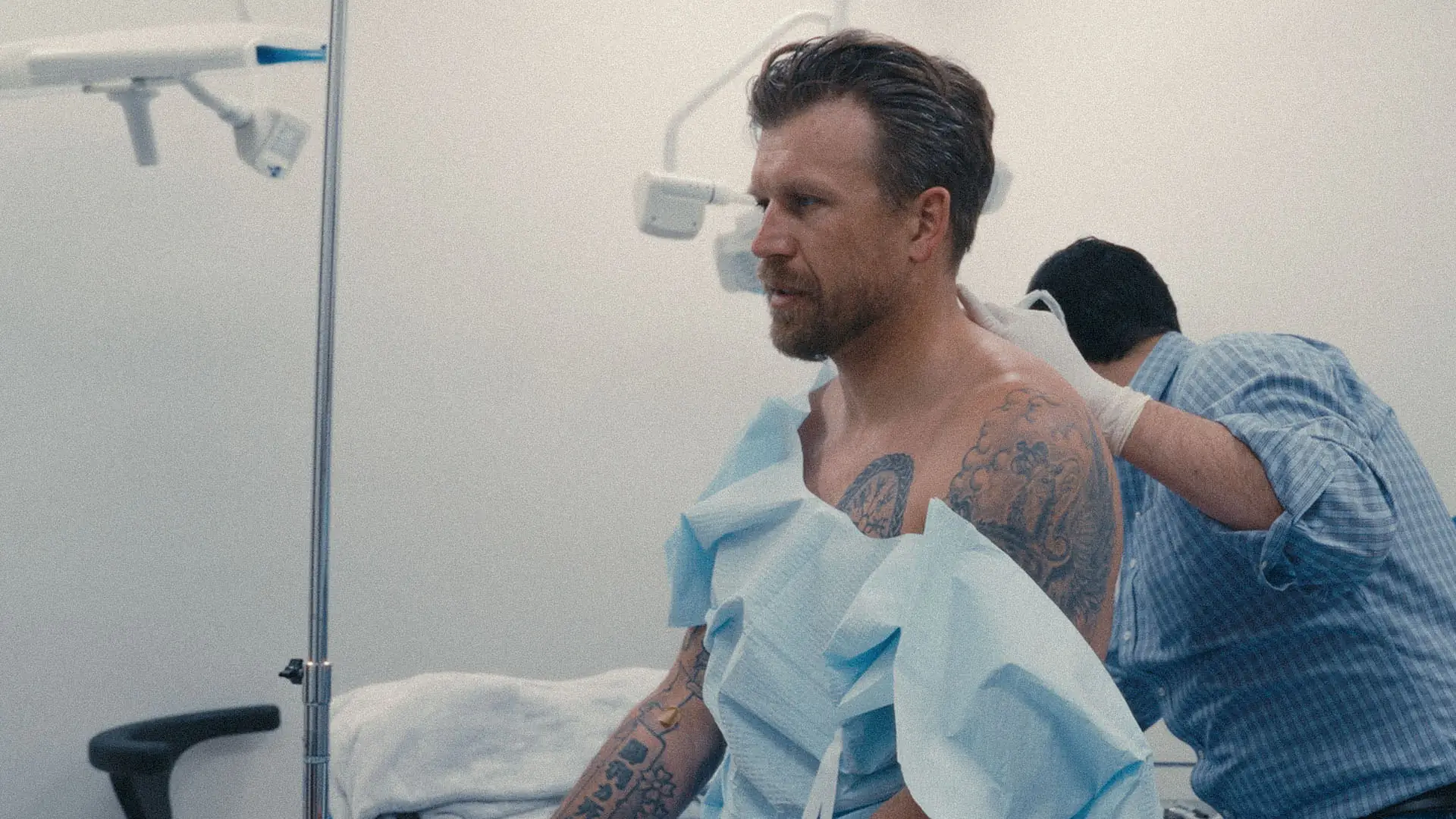
 “Stem cells helped restore my body so I could feel like myself again in my daily life.”
Military veteran, told surgery was the only option
 Anti-Aging
 “I left feeling extremely fresh and could see the results immediately”
Naturopathic doctor, looking for the best treatments available
Honest answers about how SOMA works and what to expect.
No. SOMA works exclusively with ethically sourced mesenchymal stem cells from healthy, screened donors. Every cell line is processed in our ISO Class 6 GMP laboratory.
Treatment takes place at Del Prado Medical Tower, a COFEPRIS-regulated private hospital in Tijuana. Our team coordinates your travel, stay, and care, and on treatment day you receive the printed viability and purity results for the exact cells you will receive before any procedure begins.
Yes. Mexico was the first country to write a legal framework for therapeutic stem cell use, and our Medical Director helped shape it. Treatment operates under COFEPRIS regulatory oversight.
Cost depends on your condition and your protocol. Your free consultation includes a clear breakdown, with no hidden fees and no obligation.
Start with our two-minute assessment or a free call. We review your medical history and give you an honest answer on whether SOMA is right for you.
Most plans do not yet cover regenerative stem cell therapy. We offer clear pricing and financing options.