Start your free stem cell consultation with one of our team members Book consultation
Introducing human® Peptides — Science that serves the people. Join waitlist
The Science

The Science of Health

Stem cell therapy is not new. It is how your body has always healed. What is new is our ability to direct it with precision.

Inflammation Framing

Inflammation is a signal, not the enemy

Conventional care treats inflammation as the problem to shut down. Cortisone blocks the inflammatory signal, giving relief while the underlying damage continues, often accelerating joint deterioration. NSAIDs mask the symptom while the cause persists. It is like silencing a fire alarm instead of putting out the fire.

Stem cells work differently. By addressing the tissue damage underneath, the cellular dysfunction or the stalled repair, they remove the reason the body was signalling in the first place. The inflammation resolves because the problem resolves. You are not overriding the body’s healing intelligence. You are helping it finish what it started.

Schedule Appointment
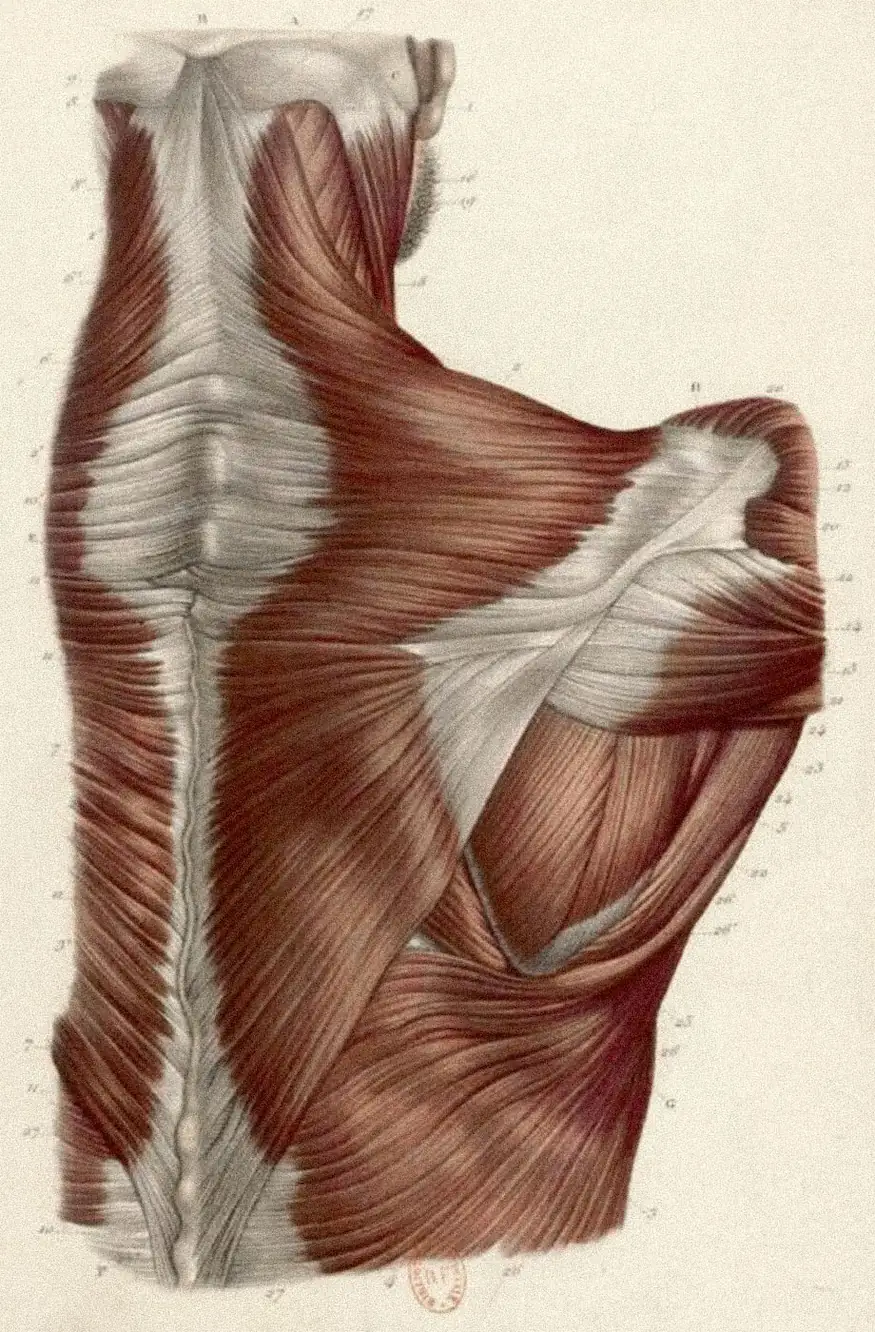
Anatomical illustration of back and shoulder musculature
Mechanisms

How stem cells do the work

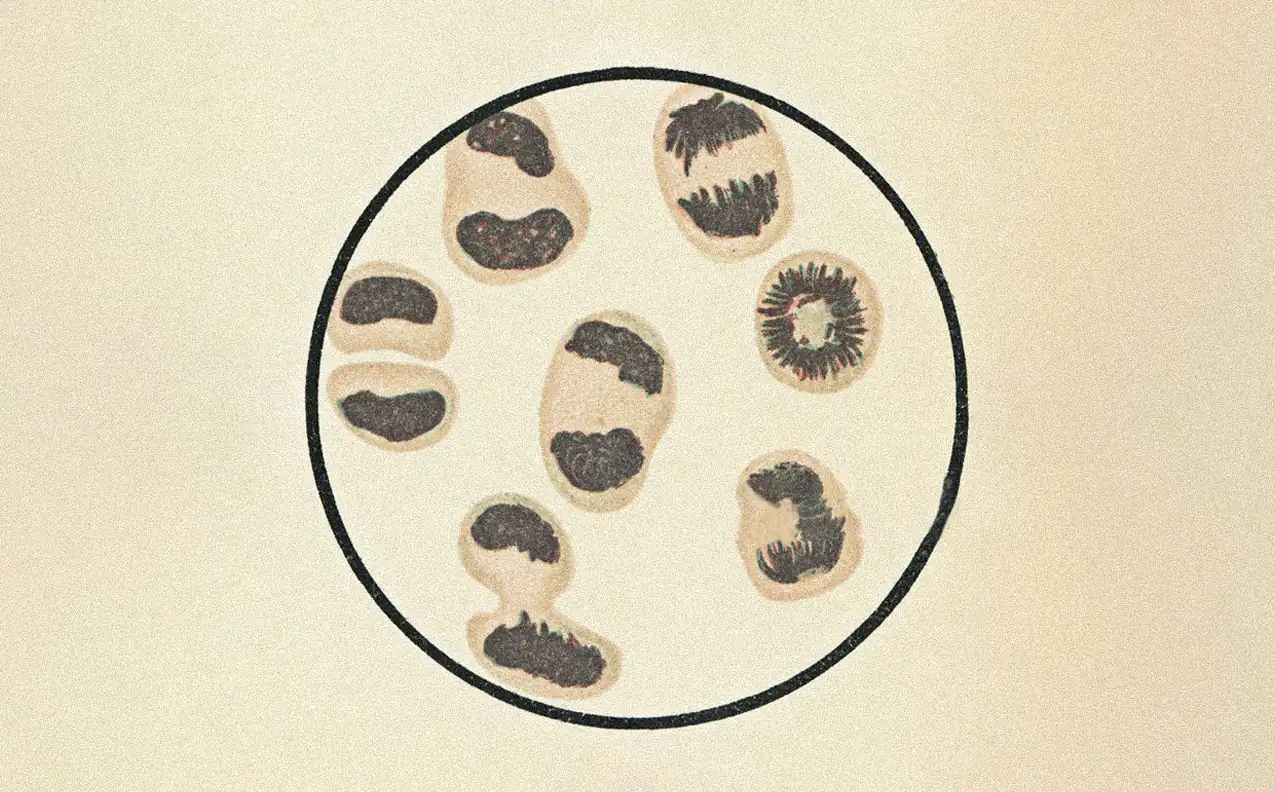
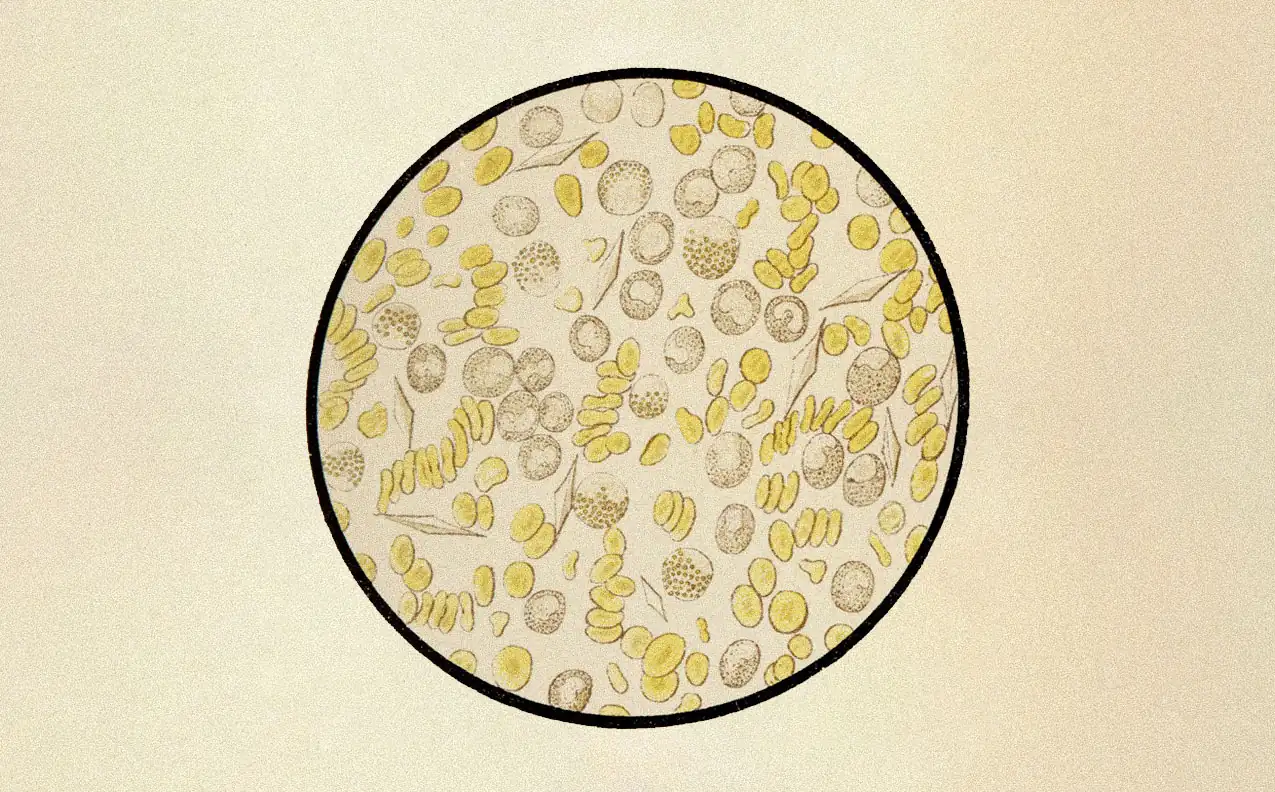
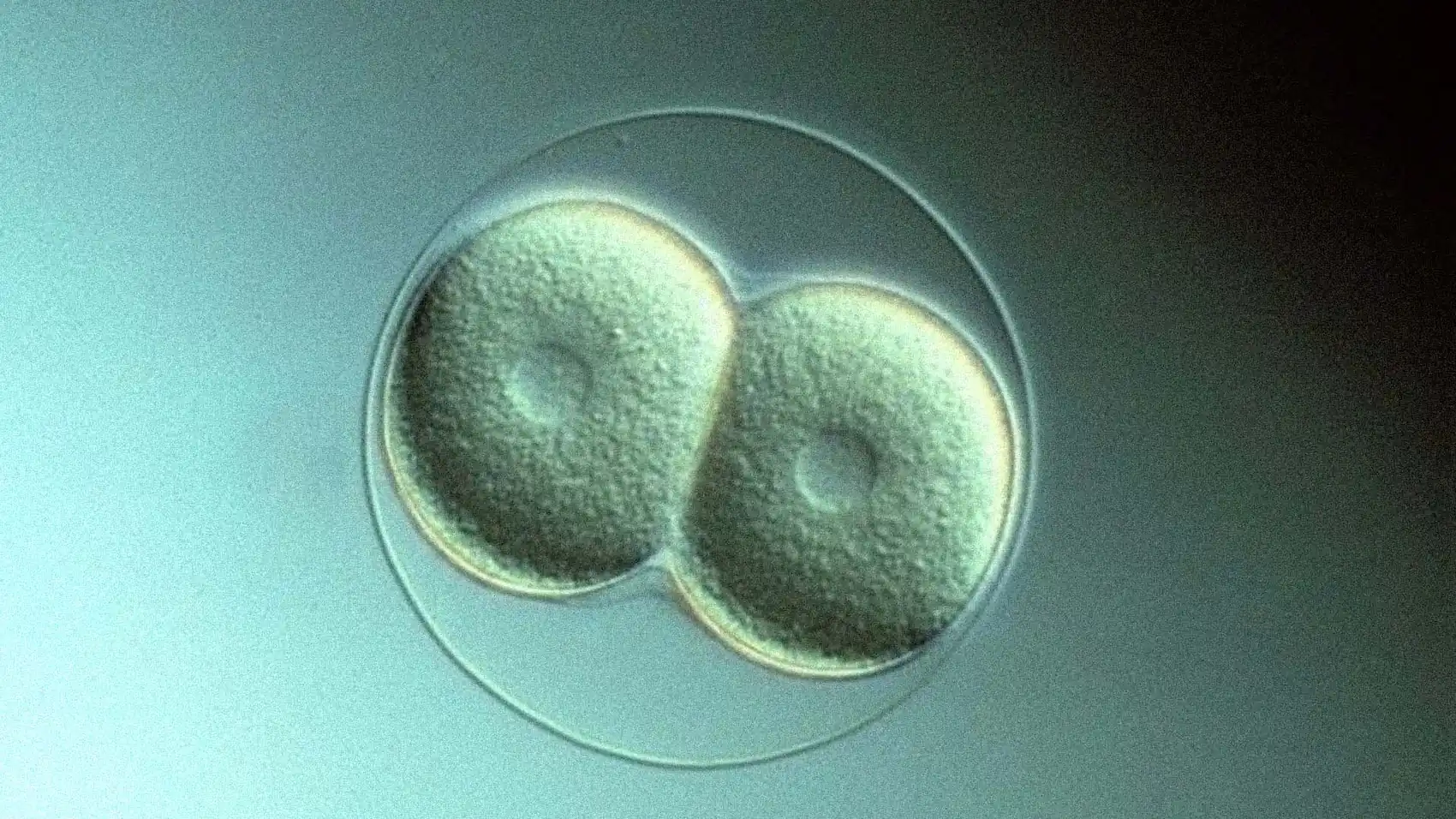
Microscope illustration of dividing cells 1

Paracrine Signaling

Stem cells release over 200 bioactive molecules, including exosomes, that instruct surrounding cells to repair and regenerate. Rather than persisting long-term, these cells read the local damage environment and release context-sensitive signaling profile needed to heal nearby and distant tissues.

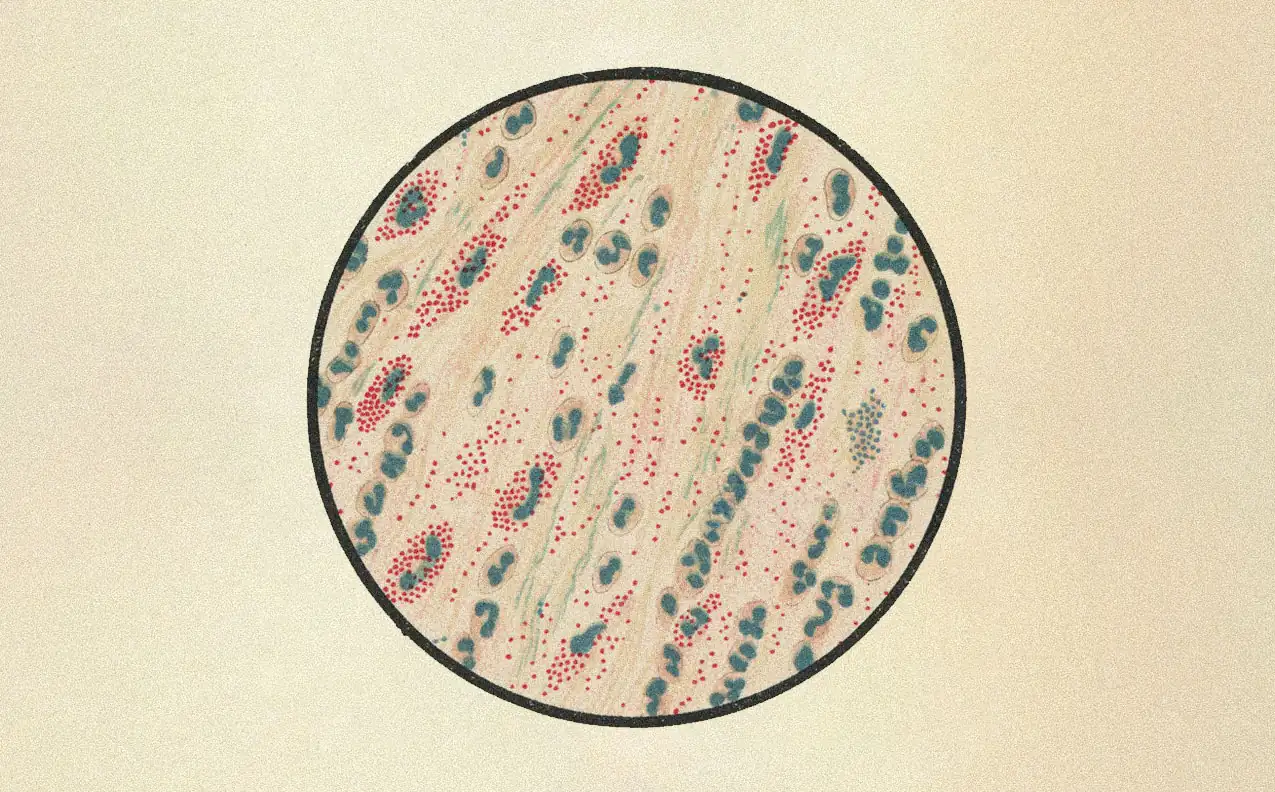
Microscope illustration of immune cells 2

Immunomodulation

Stem cells recalibrate immune function toward balance and precision. In chronic inflammatory and autoimmune conditions, MSCs reduce cytokine burden, expand T-regulatory cells, and rebalance key immune pathways—restoring signal fidelity, minimizing tissue damage, and ensuring precise defense.

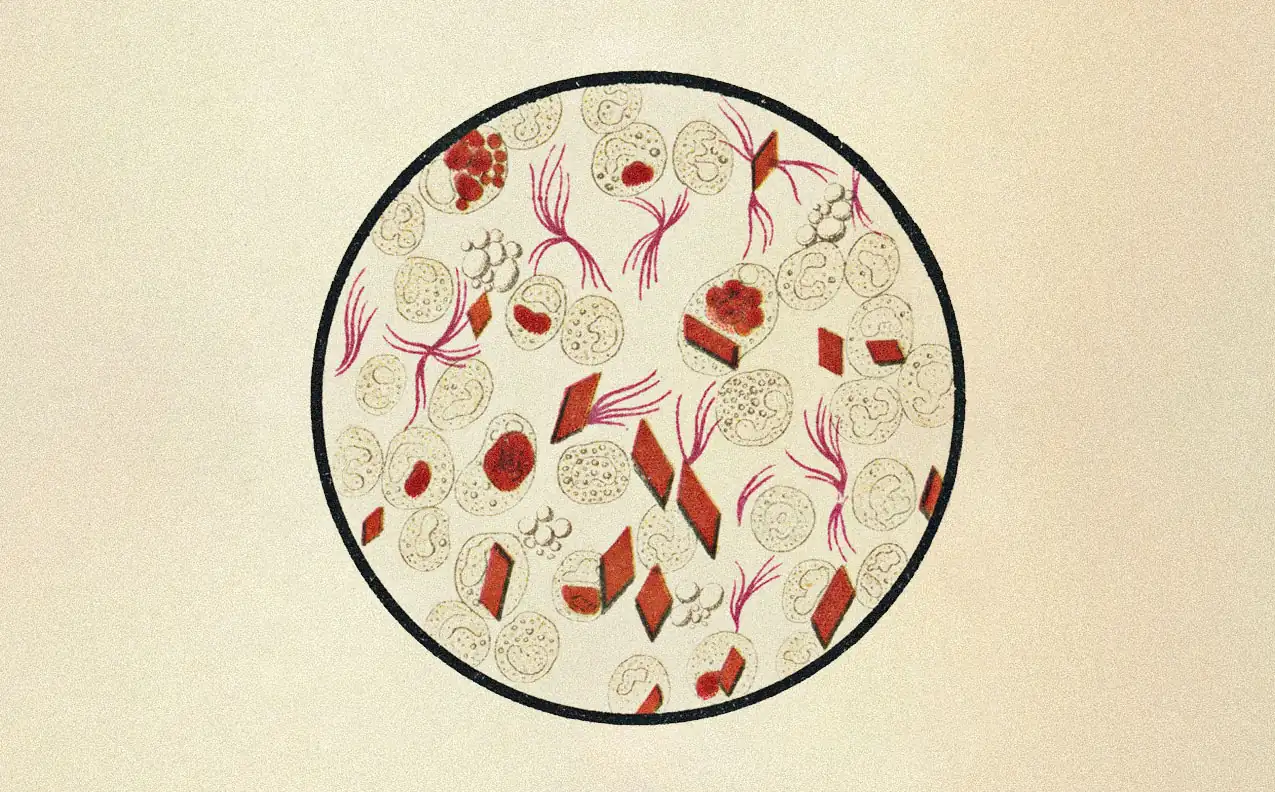
Microscope illustration of differentiating cells 3

Direct Differentiation

Guided by local signaling gradients, stem cells assess tissue cues and transform into the exact cell type required—whether cartilage in a joint, neural support in the brain, or smooth muscle in a vessel wall. This allows them to contribute structurally to repair across varied contexts.

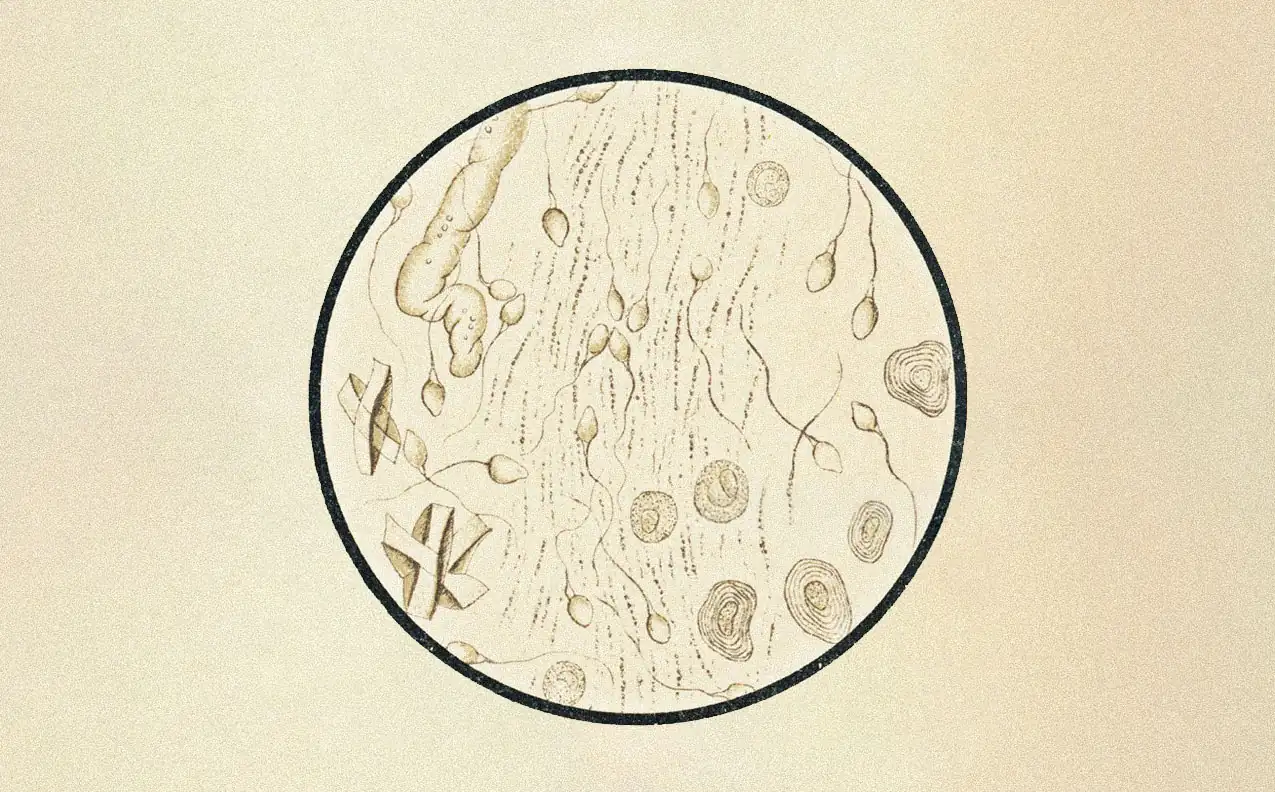
Microscope illustration of new blood vessels 4

Angiogenesis

Stem cells promote new blood vessel formation by secreting growth factors like VEGF, FGF, and HGF. By restoring oxygen and nutrient delivery to ischemic tissue, this newly built vascular infrastructure unlocks deep recovery in degenerative conditions and sustains long-term regeneration.

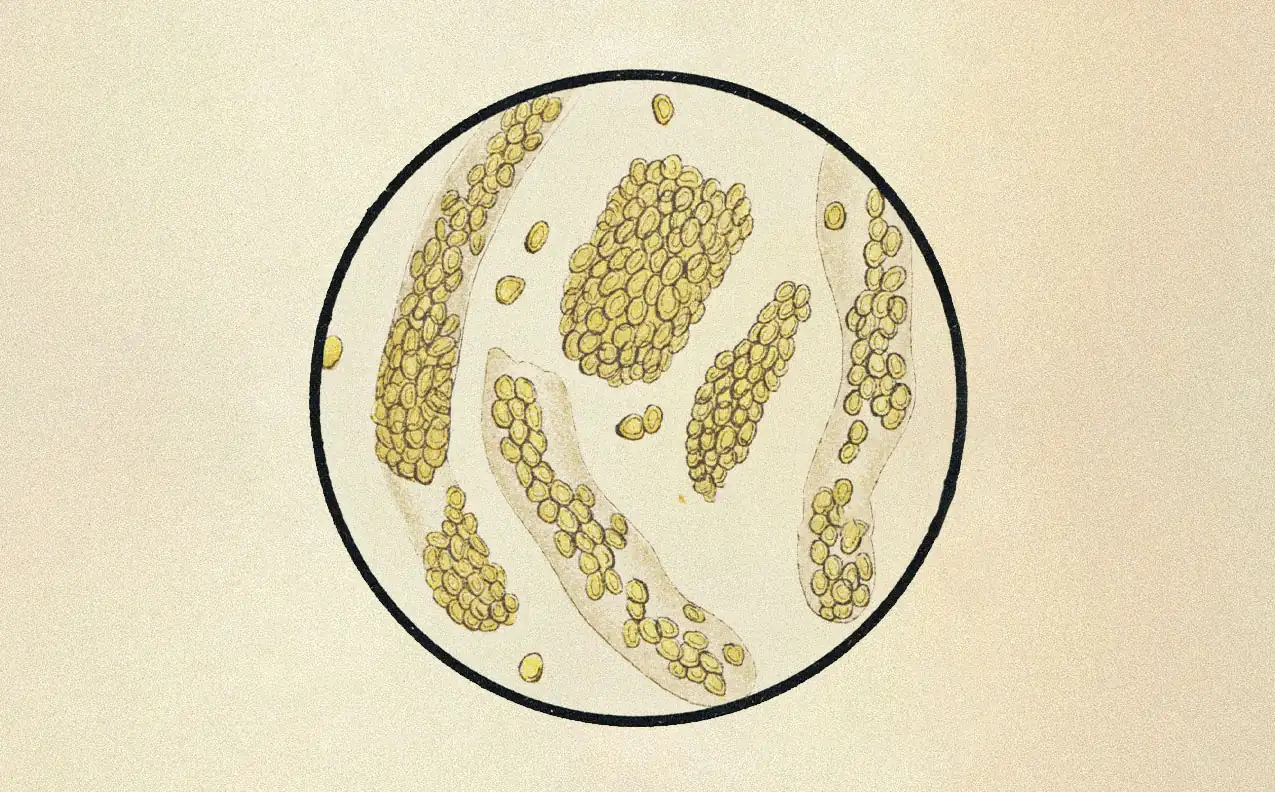
Microscope illustration of regenerating tissue 5

Anti-Fibrotic Action

Normal wound healing creates scar tissue that disrupts native structure and energetic conductance. Stem cells prevent scar formation by suppressing myofibroblast activation and collagen deposition. In existing scars, MSCs remodel fibrotic tissue to restore native architecture and conductance.

Microscope illustration of mitochondria 6

Mitochondrial Donation

In non-replaceable cells like neurons and cardiomyocytes, damage stems from mitochondrial dysfunction. Stem cells address this by actively donating healthy mitochondria via extracellular vesicles, nanotubes, and gap junctions—restoring ATP production and membrane potential in recipient cells.

Evidence

75,000 peer-reviewed studies, and counting

Stem cell therapy isn’t experimental—it’s one of the most studied areas of modern medicine. The research spans orthopedic, neurological, autoimmune, and metabolic applications.

Musculoskeletal & Orthopedic

Mesenchymal stem cells have been studied across musculoskeletal and orthopedic conditions for decades, in randomized trials and long-term follow-ups, with some remarkable results.

Read more
Neurological & Neurodegenerative

Mesenchymal stem cells have been studied across stroke, traumatic brain injury, spinal cord injury, and multiple sclerosis, where their ability to calm neuroinflammation and support vulnerable neurons has produced some of the most closely watched results in regenerative medicine.

Read more
Autoimmune & Inflammatory

SOMA treats autoimmune conditions with a two-pronged approach: mesenchymal stem cells to calm the inflammatory environment, and regulatory T cells (Tregs), the immune system’s own peacekeepers, to restore tolerance. Both are being studied across a widening range of autoimmune diseases.

Read more
Organ Function & Metabolic Health

This category spans some of the most common and serious chronic conditions, from diabetes and heart failure to long COVID and lung disease. Mesenchymal stem cells have been studied across all of them, working through their effects on inflammation, circulation, and cellular energy.

Read more
Degenerative Eye & Hearing

The eye and ear contain some of the body’s most specialized, hard-to-replace cells. Mesenchymal stem cells have shown particular promise in retinal disease, where several human trials have measured real gains in vision, and regenerative signaling is now being studied in the inner ear.

Read more
Fertility (Female & Male)

Fertility often comes down to the health of a specific tissue and its blood supply. Mesenchymal stem cells have been studied for their ability to restore the cellular environment the reproductive organs need, with several trials reporting not just improved markers but pregnancies and live births.

Read more
Aesthetics: Skin & Hair

Skin and hair are the most visible tissues we have, which makes their response to regenerative therapy something you can actually see and measure. Mesenchymal cells and the exosomes they produce, the same signaling molecules SOMA delivers in its aesthetic treatments, have shown measurable results in both.

Read more
Donor Protocol

Where our cells come from, and why it matters

Our cells come from perinatal tissue, the umbilical cord and the Wharton’s jelly within it, collected after healthy, full-term births. This is among the richest known sources of regenerative cells, and it is tissue that is otherwise discarded. No embryos. No harm to mother or child. Nothing taken that was not freely given.

The mothers are our partners in this, not sources. Each one chooses to take part, fully informed. We support her health through pregnancy and cover the cost of her care and birth. Both mother and baby are given free, lifelong access to their banked cells, supporting their health for years to come. It is a relationship built on consent and shared benefit, and it is the foundation everything else rests on.

We work with only about five donors a year. That is deliberate. Keeping the number small lets us be extraordinarily selective about who qualifies and screen what they donate with a thoroughness that would be impossible for high-volume sourcing.

Learn more
FAQ’s

You’ve got questions. We’ve got answers

Honest answers about how SOMA works and what to expect.

Are SOMA’s stem cells from embryos?

No. SOMA works exclusively with ethically sourced mesenchymal stem cells from healthy, screened donors. Every cell line is processed in our ISO Class 6 GMP laboratory.

Is traveling to Mexico for treatment safe?

Treatment takes place at Del Prado Medical Tower, a COFEPRIS-regulated private hospital in Tijuana. Our team coordinates your travel, stay, and care, and on treatment day you receive the printed viability and purity results for the exact cells you will receive before any procedure begins.

Is stem cell therapy legal and regulated?

Yes. Mexico was the first country to write a legal framework for therapeutic stem cell use, and our Medical Director helped shape it. Treatment operates under COFEPRIS regulatory oversight.

How much does treatment cost?

Cost depends on your condition and your protocol. Your free consultation includes a clear breakdown, with no hidden fees and no obligation.

How do I know if I’m a candidate?

Start with our two-minute assessment or a free call. We review your medical history and give you an honest answer on whether SOMA is right for you.

Does insurance cover stem cell therapy?

Most plans do not yet cover regenerative stem cell therapy. We offer clear pricing and financing options.

human® Peptides

Join the waitlist

Be first to know when our peptide line opens. No spam — just one note when it’s ready.

By joining you agree to receive a single launch notification.