 Regenerative Longevity
Assessment & Medical Review
We learn about your condition and help you understand the right fit. Our team then medical history to develop a personalized plan.
Systemic stem cell therapy that works to replenish the regenerative reserve the body loses with age, restoring its capacity to repair and renew.
Every injury you have ever healed from, every cut that sealed and every bone that knit, was the work of your own stem cells, the body's original repair system. Their numbers and vigor decline with age, and the body's ability to keep itself whole declines with them. SOMA's longevity program is built to replenish that reserve.
Biological age measures how worn the body is, which can run ahead of or behind the years on a birth certificate. Much of that wear traces to one trend: the slow decline of the stem cells that renew every tissue, and the fading energy of the long-lived cells they can no longer replace.
It tends to show up as:
Why we age: Aging concentrates in the cells the body cannot easily replace. As circulating stem cells decline, the body's repair crews thin out; in long-lived tissues like the heart, brain, eyes, and ovaries, the mitochondria that power those cells lose output, and function fades with them. In bone marrow, the frequency of these repair cells falls from about 1 in 10,000 at birth to as few as 1 in a million in later life, one of the steepest declines of any system in the body.
SOMA's approach is to restore the supply, and to remove the barriers that keep the body from healing. A systemic infusion delivers young, healthy donor cells and the exosomes they produce throughout the body, where they read each tissue and answer it. It adds new regenerative capacity to a system that is running low.
The cells work through several pathways at once:
The difference is supply: A dose of a person's own cells might yield a few million, carrying the same age and history as the body they came from. SOMA delivers up to 285 million young donor cells per treatment: the difference between managing a deficit and building a surplus.
The science behind it: In 1991, Dr. Arnold Caplan showed these cells direct tissue repair, and later renamed them Medicinal Signaling Cells for what they do: they conduct healing, signaling the tissue around them to rebuild. The field now rests on more than 75,000 peer-reviewed publications on mesenchymal stem cell therapy.
The infusion is one part of a longevity program built for people who choose to get ahead of aging. SOMA pairs the cells with two guided protocols:
Together they optimize the terrain the cells work in, so the whole program is built around vitality.
We’ve designed a process that removes uncertainty—guiding you from your first conversation through long-term recovery.
We learn about your condition and help you understand the right fit. Our team then medical history to develop a personalized plan.
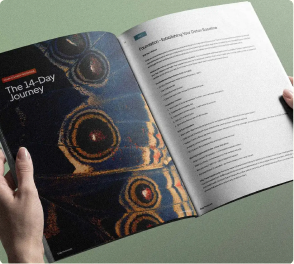
7 & 14-day detox protocols to optimize stem cells. Choose budget-friendly or clinical ideal, treatment to fully prepare for your engraftment.
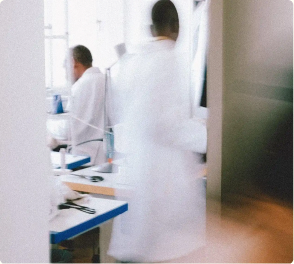
Administration takes 2–4 hours. Delivery is condition-specific: IV for systemic, intrathecal for CNS, joint injections, or nebulized exosomes.

Post-care includes a vital 48-hr recovery window and structured follow-ups up to 12 months. Repeat treatments are timed at 3–6 months if needed.
Real people, real stories. Hear what our patients say about their experience at SOMA.
 Orthopedic / Sports Injury
 “Soma gave me a second chance at my lifelong dream while making it easier to get out of bed in the morning”
Professional baseball player, told surgery was the only option
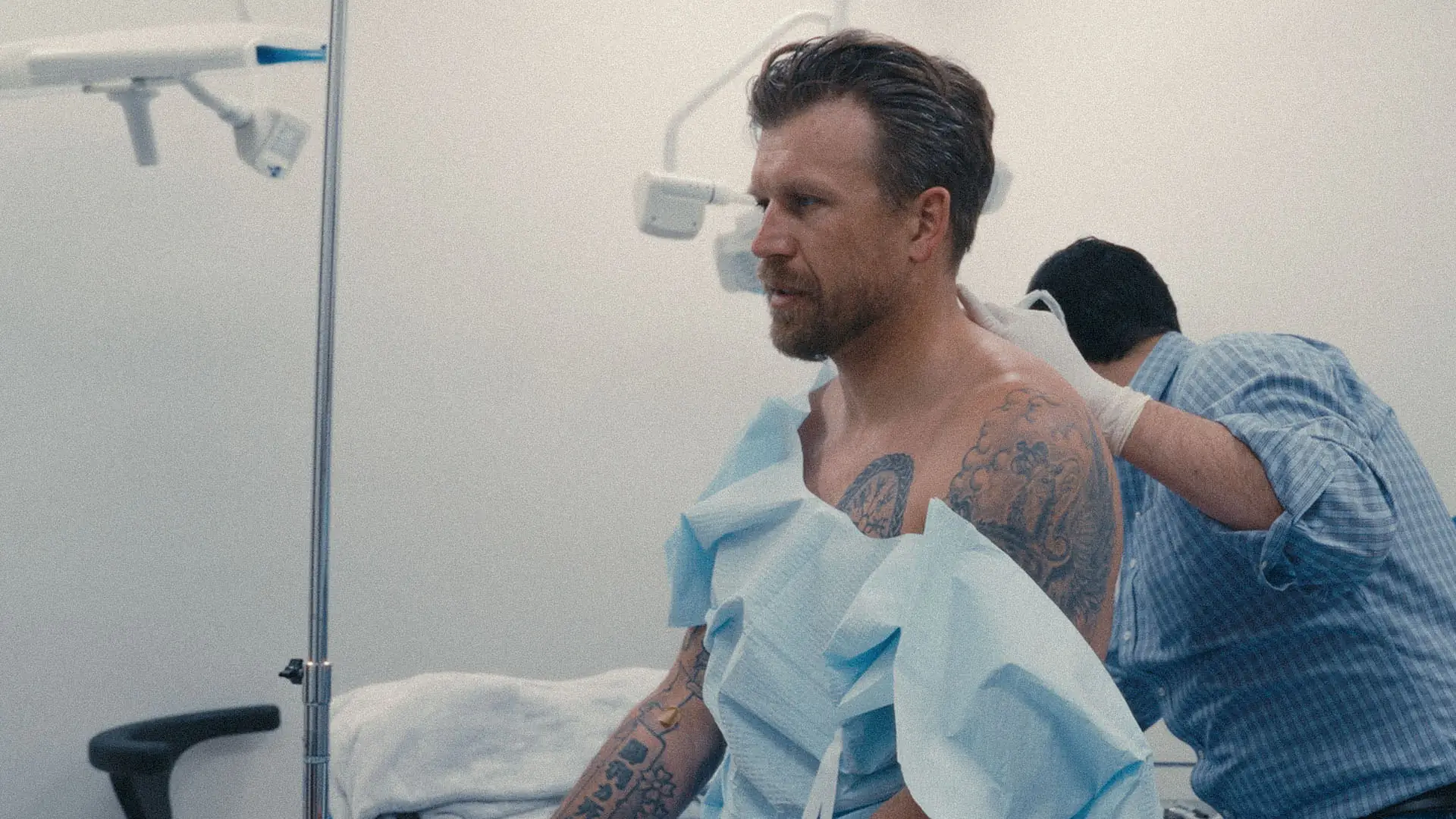 TBI / PTSD / Chronic Pain
 “Stem cells helped restore my body so I could feel like myself again in my daily life.”
Military veteran, told surgery was the only option
 Anti-Aging
 “I left feeling extremely fresh and could see the results immediately”
Naturopathic doctor, looking for the best treatments available
Honest answers about how SOMA works and what to expect.
No. SOMA works exclusively with ethically sourced mesenchymal stem cells from healthy, screened donors. Every cell line is processed in our ISO Class 6 GMP laboratory.
Treatment takes place at Del Prado Medical Tower, a COFEPRIS-regulated private hospital in Tijuana. Our team coordinates your travel, stay, and care, and on treatment day you receive the printed viability and purity results for the exact cells you will receive before any procedure begins.
Yes. Mexico was the first country to write a legal framework for therapeutic stem cell use, and our Medical Director helped shape it. Treatment operates under COFEPRIS regulatory oversight.
Cost depends on your condition and your protocol. Your free consultation includes a clear breakdown, with no hidden fees and no obligation.
Start with our two-minute assessment or a free call. We review your medical history and give you an honest answer on whether SOMA is right for you.
Most plans do not yet cover regenerative stem cell therapy. We offer clear pricing and financing options.