
Why patients travel to Mexico for stem cell therapy, how culture expansion shapes lab testing, and why SOMA uses MSC cultures rather than isolated Muse cells.
Two questions come up on almost every call: why cross the border for this, and why not the cell type showing up all over the internet lately. Both questions have the same answer underneath them: what the regulatory environment allows a lab to do.
The Regulatory Split
Stem cell medicine hit a fork in the road decades ago. In the US, stem cells got classified as a pharmaceutical, which means bringing one to market follows the same path as a new drug from Pfizer or Eli Lilly: 10 to 16 years of trials, $1 to 3 billion in cost, and a patent to protect the investment. Stem cells are naturally occurring biological tissue, not a synthesized compound, so there's nothing to patent. Without a patent, there's no incentive to fund the large-scale trials that pathway demands, and the field has stalled under that classification for decades.
Mexico took a different route. Stem cells there are classified as a transplant, the same category as a blood transfusion or a kidney donation, which reflects what they are. That classification requires the same hospital-grade facilities any transplant program needs, under a regenerative medicine license built specifically for this field over the past two decades.
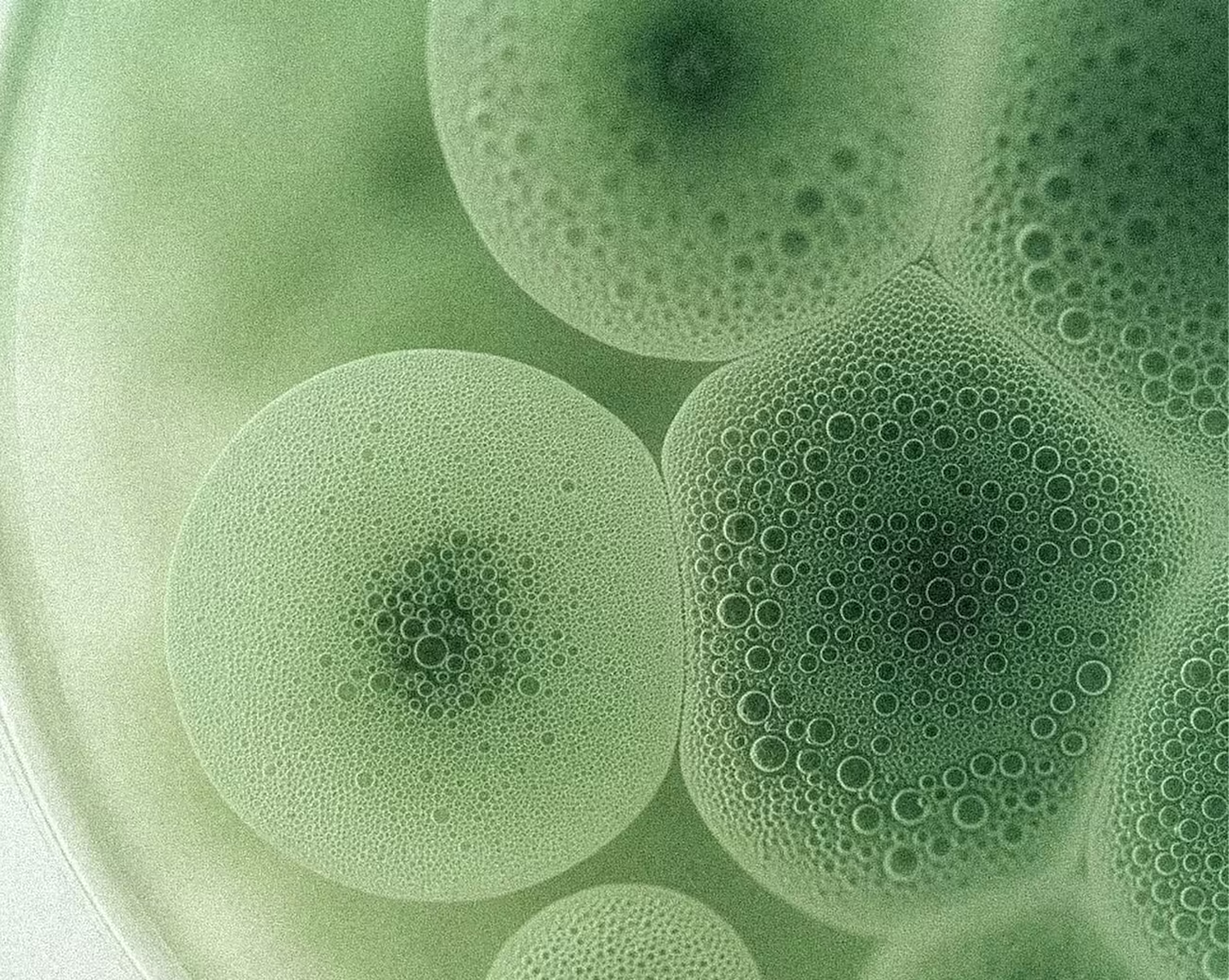
That single classification difference has a direct downstream effect: it determines whether a lab is legally allowed to culture-expand cells. US clinics can't, so treatment there is one donor to one recipient, with no ability to run the screening or viability testing that culture expansion makes possible. In Mexico, culture expansion allows a lab to take rigorously screened donor tissue and grow it into a large enough population to test every batch, and to run flow cytometry on every treatment before it's administered. That is the entire basis for SOMA's 98% viability standard, verified in our own ISO Class 6 GMP laboratory, the only one of its kind in North America.
Why Not Muse Cells
This same evidence question is exactly why we don't offer Muse cells (though they are already in all of our cultures... without a trademark), even though a growing number of US clinics are marketing them heavily.
Muse cells aren't a separate cell type. They're a small subpopulation that occurs naturally within any mesenchymal stem cell (MSC) culture, identified by specific surface markers. The claim behind them is that they differentiate more efficiently into a target tissue type than the rest of the culture. That claim has some bench-level support. It's also built on a narrow view of how MSCs work.
Dr. Arnold Caplan, who coined the term "mesenchymal stem cell," spent the back half of his career trying to rename them "medicinal signaling cells" once his own research showed that direct differentiation, becoming a specific tissue cell, is one of the least significant mechanisms behind clinical results. The larger effect comes from paracrine signaling: MSCs releasing over 200 compounds that direct the surrounding tissue to repair itself, rather than becoming that tissue one cell at a time. As well as mechanisms like mitochondrial transfer and angiogenesis.
Cell Stem Cell, 2011 — Caplan & Correa, “The MSC: An Injury Drugstore” — established paracrine signaling, not direct differentiation, as the primary mechanism behind MSC clinical effects.
Isolating Muse cells means discarding the other 90 to 95% of the culture, the part responsible for that paracrine signaling, along with angiogenesis and immune modulation, in exchange for a subset better at a mechanism that isn't the main driver of outcomes. The typical Muse dose is typically 10x lower than a standard MSC dose, and most of the research behind it comes from the single lab holding the isolation patent, a fraction of the evidence base built on MSCs broadly across thousands of clinical trials across 50 years of research.
A treatment that concentrates one narrow mechanism at the expense of the rest of the culture isn't a more advanced version of MSC therapy. It's a smaller one.